
Value engineering is often misunderstood as a late-stage attempt to make a construction project cheaper. Done properly, it starts with a different question: Is there a better way to achieve what the project actually needs to do?
That may mean comparing structural systems, simplifying a difficult building detail, reorganizing utility runs, or choosing a material that performs similarly with less maintenance or easier installation. Cost matters, but it is only one part of the decision. Constructability, durability, design intent, availability, scheduling, and long-term use matter as well.
For Los Angeles homeowners and investors, these comparisons are most useful before plans and specifications become expensive to revise. M-Cubed Design & Building incorporates them into its owner-led pre-construction and design-build process, so the owner can see the practical consequences of an alternative before approving it.
This guide explains what value engineering is, what it is not, when it should happen, and how thoughtful comparisons can improve a residential or multi-unit project without quietly reducing its scope or quality.
Here is the Quick Answer:
- Value engineering compares different ways to meet a project’s required function and design goals. It is not simply a search for the cheapest material or a reason to reduce scope.
- The most useful time to do it is during planning and design, when structural systems, layouts, materials, and construction methods can still be changed without extensive redesign or disruption.
- A worthwhile alternative should be technically appropriate, clearly explained, and reviewed with the owner. Sometimes it lowers cost. In other cases, it improves constructability, durability, maintenance, scheduling, or the way the budget is allocated.
Value Engineering Definition: The Straightforward Explanation

In practical terms, value engineering compares different ways to meet a project’s requirements without losing the function or design priorities the owner needs to preserve.
The objective is not to identify the least expensive option. It is to determine which technically appropriate solution offers the strongest overall balance of performance, constructability, durability, maintenance, and cost.
Rather than asking how to spend less, value engineering asks how materials, systems, or construction methods can deliver the required performance more effectively by balancing function, constructability, life-cycle considerations, and cost.
Where the Term Comes From
The value engineering definition traces back to the post-World War II period, when engineers sought practical alternatives to materials that had become scarce while still achieving the same required function.1 Over time, the concept was adapted to construction, where it is used to compare materials, building systems, and construction approaches that can satisfy project objectives through different but carefully evaluated solutions.
The Core Formula: Function, Cost, and Value
A commonly used way to explain value engineering in construction is the relationship Value = Function ÷ Cost.1
Rather than a mathematical calculation, it is a practical reminder that value depends on how effectively a solution performs its intended purpose relative to the resources required to achieve it. In this context, function refers to how well a material, system, or design decision meets the project’s requirements, while cost represents only one element of the overall value assessment.
What does value engineering mean in practice? It means asking whether the same design intent and required function can be achieved through an alternative that provides a better overall balance of performance, constructability, durability, long-term maintenance, and cost over the life of the project.
A different material, building system, or construction method may achieve the same design intent while offering a different balance of performance, constructability, durability, or cost.
Improving value does not necessarily mean lowering cost. In some projects, a higher initial investment may reduce future maintenance, improve durability, simplify construction, or enhance long-term performance. In others, budget may be reallocated toward elements that contribute more meaningfully to the owner’s priorities.
Every value engineering decision involves informed trade-offs, balancing function, performance, constructability, life-cycle considerations, and cost rather than optimizing any single factor at the expense of the others.
Understanding these principles provides the context for distinguishing value engineering from simple cost cutting.
Value Engineering vs. Cost Cutting: Why They’re Not the Same Thing

Although the terms are often confused, value engineering and cost cutting are fundamentally different approaches to project decision-making. Understanding that distinction matters because it influences not only project budgets, but also long-term performance, owner expectations, design quality, and the overall success of the finished project.
What Value Engineering Actually Protects
Legitimate value engineering is intended to protect the outcomes that matter most to a project: required function, expected performance, constructability, design intent, and long-term value.
Rather than asking, “How can this cost less?” the process asks whether the same objectives can be achieved through a different material, system, layout, or construction approach that better balances function, performance, constructability, life-cycle value, and cost.
Each alternative is evaluated through informed, objective comparisons rather than assumptions. Performance, durability, maintenance considerations, constructability, and cost are reviewed together, and potential trade-offs are discussed transparently with the owner before decisions are made. Not every alternative is appropriate, and not every proposed change is adopted. The objective is to make informed choices that continue to support the project’s established goals.
What Cost Cutting Looks Like Instead
Cost cutting, by contrast, is primarily focused on reducing immediate expenditure. This may involve reducing project scope, selecting lower-performing materials, eliminating planned features, or making substitutions without fully evaluating how those changes affect performance, durability, appearance, or future maintenance.
These approaches are not inherently inappropriate, since projects sometimes require budget adjustments, but they differ from value engineering because the emphasis is on lowering initial cost rather than balancing overall value. Without sufficient analysis or meaningful owner involvement, decisions intended to reduce short-term spending can affect broader project objectives in ways that are not immediately apparent.
The distinction between value engineering and cost cutting is therefore less about whether money is saved and more about how decisions are evaluated, communicated, and aligned with the project’s intended outcomes. That distinction also explains why timing matters in the value engineering process.
When Value Engineering Happens in a Construction Project

Value engineering is not a single milestone completed at one point in a project. Instead, it can occur throughout planning, design, documentation, and construction, with the timing of each evaluation influencing the range of available options, the effort required to implement changes, and their potential effect on the project.
During Pre-Construction and Design Development
Pre-construction and design development generally offer the greatest flexibility for value engineering because major project decisions are still being shaped. Alternative materials, building systems, layouts, and construction approaches can be evaluated while plans are still evolving, allowing the project team and owner to compare options before construction documents are finalized.
Changes made during this period typically require less coordination than revisions introduced later because drawings, engineering decisions, and project assumptions are still being refined.
Within M-Cubed Design & Building’s planning and pre-construction process, these evaluations help owners understand how different decisions may affect function, constructability, long-term performance, and overall value before design advances.
Homeowners interested in how these evaluations fit into the broader project delivery process can also explore M-Cubed Design & Building’s construction management services.
During Construction Document Review
Construction document review provides another important opportunity to evaluate whether the developed design continues to align with project priorities before work begins in the field. Rather than redesigning the project, this review compares drawings, specifications, constructability, and budget assumptions to identify areas where thoughtful adjustments may still improve overall value.
Because the design is more developed by this point, revisions generally require greater coordination among architects, engineers, and other project participants. Even so, identifying potential concerns before bidding or construction can reduce the likelihood of later revisions and help maintain consistency between the project’s objectives and the documents used to build it.
During Active Construction (and Why This Stage Is Riskier)

Value engineering may still occur after construction has begun if unforeseen site conditions, material availability, coordination issues, or other project-specific circumstances make it appropriate to reconsider an earlier decision. When this happens, the goal remains the same: evaluate alternatives while preserving the project’s intended function, performance, and design objectives.
Introducing changes during active construction generally involves more coordination because procurement, sequencing, documentation, and work already underway may all be affected. While later evaluations are sometimes necessary, they often present fewer practical options than those considered during pre-construction or design development.
For that reason, early evaluation generally offers the greatest opportunity for informed decision-making before project commitments become more difficult to adjust. Understanding the timing also helps clarify who should participate in the evaluation and how those decisions are coordinated.
Who Is Involved in the Value Engineering Process

Value engineering works best when it brings together multiple perspectives rather than relying on a single decision-maker. Design, engineering, construction, and owner priorities all influence how alternatives are evaluated, and each contributes different information that helps determine whether a proposed change continues to support the project’s overall objectives.
Architects help assess how alternatives affect design intent, space planning, appearance, and functional requirements. Engineers evaluate structural performance, building systems, technical feasibility, and applicable code considerations. Looking at the same proposal through different professional lenses helps ensure that one improvement does not unintentionally create new challenges elsewhere in the project.
Construction professionals contribute practical insight into constructability, sequencing, procurement, scheduling, and the broader implications of implementing a proposed alternative. Property owners complete the process by defining their priorities, functional needs, long-term expectations, and tolerance for different trade-offs. Because value engineering is ultimately about informed decision-making, owner participation remains an essential part of evaluating and approving potential changes.
An owner-led design-build approach can help coordinate these conversations by bringing planning and pre-construction, design, and construction into a connected project process. Rather than evaluating alternatives in isolation, participants can review technical, functional, and practical considerations within a coordinated process that maintains a single point of project coordination.
It gives owners a clearer understanding of how each alternative may affect the project as a whole before informed decisions are reached.
Common Value Engineering Applications in Residential and Multi-Unit Construction
Value engineering decisions are made on a project-by-project basis because every site, design, and budget presents different constraints and priorities. Rather than searching for a single “correct” solution, project teams compare technically viable alternatives that satisfy the project’s goals while balancing function, performance, constructability, durability, life-cycle considerations, and cost.
Foundation and Structural System Alternatives
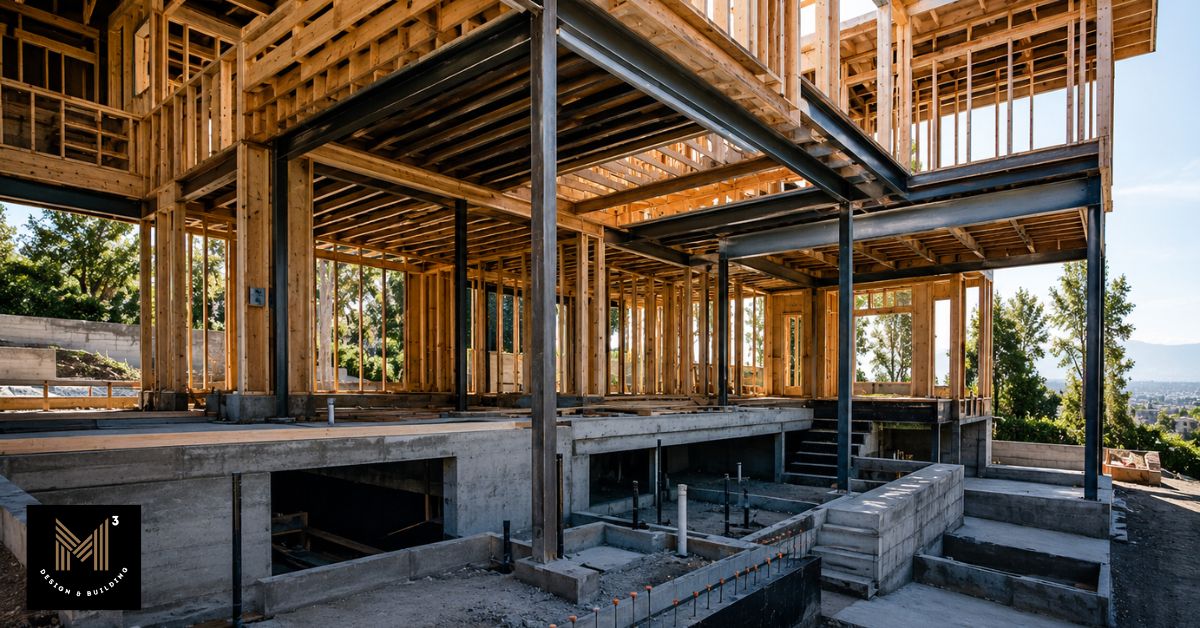
Consider a residential construction project where the initial structural concept requires extensive steel, deep foundation work, or complex framing coordination. During engineering evaluation, the project team may compare an alternative structural approach that still satisfies applicable code requirements and long-term performance expectations while reducing unnecessary complexity.
Both options may provide the required performance, but they differ in how they respond to site conditions, construction sequencing, and coordination with other parts of the project.
Instead of selecting a solution based solely on initial cost, the project team evaluates how each alternative affects constructability, long-term performance, and the overall project strategy. An approach that better aligns with the site’s characteristics or simplifies construction may provide greater overall value, even if it is not the least expensive option.
This comparison illustrates that value engineering is about identifying the option that best supports the project’s intended outcomes, not assuming the lowest initial cost automatically represents the best value.
Mechanical, Electrical, and Plumbing (MEP) Layout Optimization
A multi-unit construction project may reveal several ways to stack bathrooms, align kitchens, locate utility chases, or route mechanical, electrical, and plumbing systems while still delivering the required building performance. Different layouts can achieve the same functional objectives but vary in coordination requirements, installation complexity, and how efficiently multiple building systems interact within the available space.
During value engineering, the project team compares these alternatives to identify a layout that supports coordinated construction without compromising system performance or future building operation. Simplifying system routing can reduce coordination challenges among different trades while maintaining the required system performance and the project’s technical objectives.
Rather than focusing on installation efficiency alone, the evaluation considers constructability, accessibility, and the relationship between building systems throughout the project. Similar coordination considerations also arise in multi-unit development, where multiple residential units increase the importance of integrating building systems efficiently.
Material and Finish Substitutions
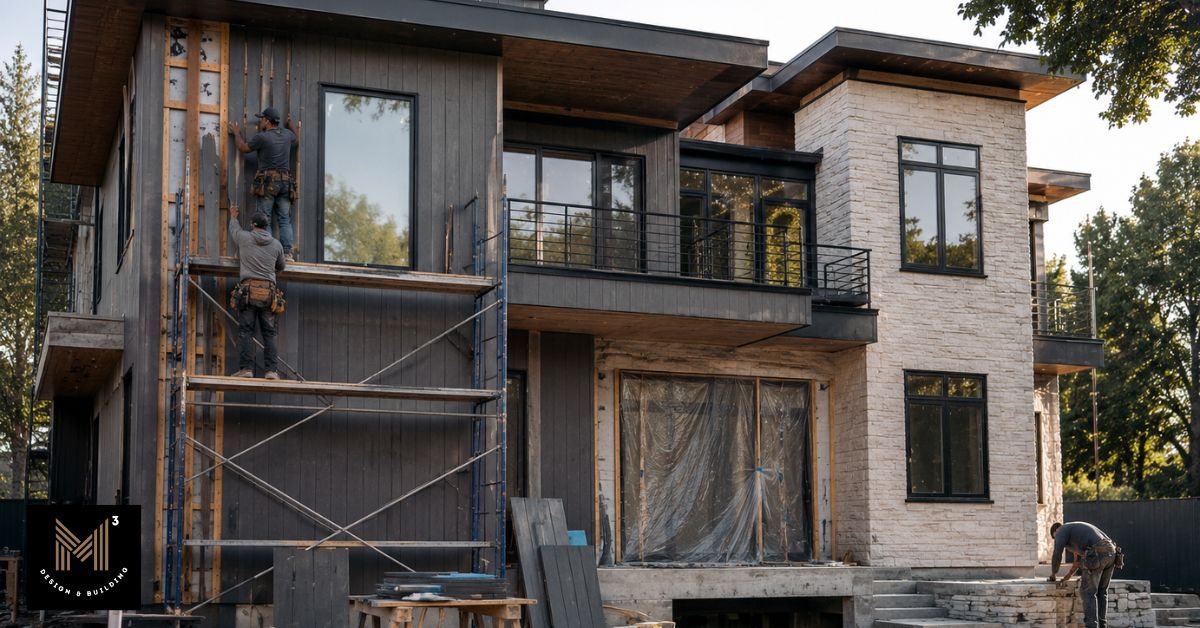
Consider a residential project where two finish materials both meet the required design and durability standards but differ in maintenance, availability, installation requirements, and long-term cost. The lower-priced material is not automatically the better choice. One option may be easier to maintain, while another may better preserve the intended appearance or simplify construction. The preferred material depends on which trade-offs best reflect the owner’s priorities.
Instead of assuming the lower-priced material offers the better solution, the project team compares each option against the owner’s priorities and the project’s design intent. One material may provide easier maintenance over time, while another may better support the intended aesthetic or construction approach. The preferred choice depends on balancing multiple considerations rather than focusing on a single factor, demonstrating how value engineering supports thoughtful decision-making across residential construction and multi-unit construction projects.
Together, these examples demonstrate that value engineering is not about identifying a universally better solution, but about selecting the alternative that best supports the intended outcomes of a specific project through informed evaluation and collaboration.
The Benefits of Value Engineering Done Right
When applied through a structured, collaborative process, value engineering can support better project decisions from early planning through construction. The benefits extend beyond budget considerations by helping owners evaluate alternatives in the context of function, performance, constructability, life-cycle value, and long-term project objectives.
- Better-informed budget development. Evaluating alternatives early can help align design decisions with financial priorities before major commitments are made, supporting more informed budget planning as the project progresses.
- Greater protection of design intent. Alternative materials, systems, or construction approaches can be evaluated while preserving the project’s intended function and overall design objectives rather than changing the project’s goals.
- A lower risk of avoidable late-stage revisions. Identifying opportunities during planning and design may reduce the likelihood of unnecessary revisions later in the project. While change orders cannot always be avoided, earlier decisions often improve coordination.
- More attention to long-term value. Considering durability, maintenance, energy performance, and life-cycle value alongside initial cost helps owners evaluate alternatives based on long-term project priorities rather than upfront cost alone.
- Clearer collaborative decision-making. Reviewing alternatives through design, engineering, construction, and owner perspectives helps clarify trade-offs so decisions better reflect the project’s priorities.
These outcomes are more likely when value engineering begins early and continues as a coordinated decision-making process rather than a series of isolated revisions. While every project presents different constraints and opportunities, collaborative evaluation often provides the greatest flexibility to balance project objectives before major project decisions become more difficult to revise.
The Risks of Value Engineering Done Poorly

The effectiveness of value engineering depends on how proposed alternatives are evaluated, communicated, and approved throughout the project. When decisions are made without adequate analysis, coordination, or owner involvement, the process may contribute to outcomes that no longer align with the project’s original objectives.
- Compromised function or performance. Alternatives that are not fully evaluated may no longer support the required function or long-term project performance. Careful technical review helps ensure proposed changes remain aligned with the project’s objectives.
- Rework and project disruption. Changes introduced without sufficient technical review or coordination may increase the likelihood of later revisions. Better coordination early in the process helps reduce unnecessary redesign and project disruption.
- Misalignment with design intent. Trade-offs that are not clearly discussed with the owner may move the project away from its design intent or functional priorities. Evaluating broader project objectives helps keep decisions aligned.
- Greater uncertainty and disputes. Limited communication or incomplete documentation may contribute to misunderstandings among project participants. Clear explanations of proposed alternatives help reduce uncertainty before decisions are finalized.
- Reduced owner confidence. When changes are presented without sufficient context, owners may lose confidence in the decision-making process. Transparent communication helps ensure proposed alternatives are understood before implementation.
These risks arise from how value engineering is carried out, not from the process itself. Transparent communication, multidisciplinary evaluation, and meaningful owner involvement help create informed decisions that remain aligned with project goals while reducing the likelihood of avoidable misunderstandings or unnecessary revisions.
How M-CUBED Approaches Value Engineering

M-Cubed does not treat value engineering as a list of cheaper substitutions presented after a design is complete. The process begins by understanding what the owner is trying to protect: layout, appearance, durability, performance, schedule, budget, or some combination of these.
From there, the team reviews the parts of the project most likely to affect cost and constructability, including structural systems, utility routing, building geometry, material availability, sequencing, and site access. An alternative is only worth presenting when it can be explained clearly enough for the owner to understand both the benefit and the trade-off.
Because M-Cubed coordinates planning, design, engineering, permitting, and construction through one owner-led design-build process, alternatives can be reviewed across disciplines before one change creates an unforeseen problem somewhere else.
Not every project requires design changes or alternative solutions. Recommendations depend on the project’s specific requirements, constraints, and priorities.
If you are evaluating a residential or multi-unit project in Los Angeles, a pre-construction or budget development consultation with M-Cubed Design & Building can help clarify where value engineering may be useful, which alternatives are worth comparing, and what trade-offs should be considered before major design decisions are finalized.
Call (310) 968-8239 or request a consultation to discuss your property, proposed scope, priorities, and target budget.
A Note on This Information
Value-engineering opportunities vary by property, project type, design stage, site conditions, code requirements, material availability, and the professionals involved. The examples in this article are general educational illustrations and should not be treated as engineering recommendations, construction estimates, or guarantees of cost savings for a specific project. Any proposed alternative should be reviewed by the appropriate licensed professionals and approved by the owner before it is incorporated into the project documents or construction work.